Crypto Trad Health & Fitness Rehab Scotland: Your Path To Recovery With Castle Craig

Rehab Scotland: Your Path To Recovery With Castle Craig

When it comes to expert and compassionate dependency rehab, Castle Craig stands as a beacon of expect individuals and families fighting with substance dependence Alcohol detox. As one of the leading rehab centres in Scotland, we provide an incorporated and customised method to recovery, concentrating on both alcohol rehab and medicine rehabilitation, within a peaceful and supportive setting.

Why Pick Rehabilitation in Scotland?

Rehabilitation Scotland has actually made international acknowledgment for its all natural and evidence-based treatment programs. With magnificent natural surroundings, professional care, and a strong support neighborhood, Scotland has become a top location for those looking for tranquility, personal privacy, and healing.

Castle Craig, nestled in the rolling hills of the Scottish Boundaries, is a leading personal rehabilitation centre that combines medical expertise with healing treatment in a peaceful and recovery setting.

Castle Craig: Relied On Rehab in the UK

Developed in 1988, Castle Craig has aided over 10,000 individuals from the UK and around the globe overcome addiction. Our multi-disciplinary team of physicians, psychiatrists, nurses, and specialists supply continuous support, making us among one of the most relied on names in rehab UK solutions.

Whether you are battling with alcohol or medicine dependence, our centre is furnished with the devices and team needed to assist you through every stage of healing.

Alcohol Rehabilitation at Castle Craig

Our specialised alcohol rehabilitation programme addresses the physical, emotional, and emotional elements of dependency. We start with a medically monitored alcohol detox, where clients safely and pleasantly take out from alcohol under the treatment of skilled doctor.

Once detoxification is complete, patients enter our extensive therapeutic programme, which includes:

Person and team therapy sessions

12-step facilitation

Cognitive behavioural treatment (CBT).

Household therapy.

Trauma therapy.

Regression prevention preparation.

Recovery does not finish when you leave Castle Craig. Our aftercare program guarantees recurring support and sources as you change back into everyday life.

Drug Rehabilitation and Medication Detoxification Services.

Drug rehabilitation at Castle Craig is customized to suit private requirements, thinking about the kind and seriousness important use, any co-occurring psychological wellness issues, and individual history.

Prior to the rehab programme starts, patients go through medication detox in our clinical detox unit. This stage is vital for clearing the body of substances in a secure, supervised setting and handling withdrawal signs and symptoms efficiently.

Post-detox, patients participate in therapeutic treatments designed to uncover the source of addiction, build healthier coping systems, and recover psychological well-being.

We deal with a variety of substance dependences, consisting of:.

Cocaine.

Heroin.

Prescription opioids.

Benzodiazepines.

Cannabis.

Stimulants.

A Holistic Strategy to Dependency Rehabilitation.

At Castle Craig, we see addiction as a problem that impacts the entire individual. That’s why our addiction rehab services are built on a biopsychosocial version that consists of:.

Nutritional assistance and physical fitness activities.

Mindfulness and reflection.

Equine therapy.

Art and innovative therapies.

Spiritual counselling for those who seek it.

Our treatment setting provides a balance of structure, liberty, and personal privacy that is important for personal growth and recuperation.

Internationally Identified Rehabilitation UK Center.

Castle Craig is not just a cornerstone in rehab Scotland solutions however likewise a leader in rehab UK-wide. Our center is registered with the Care Inspectorate and is run according to the highest possible requirements of medical governance and person security.

We also companion with health care experts and referral companies across the UK and beyond to make certain patients receive seamless, extensive treatment from admission to aftercare.

Start Your Journey with Castle Craig Today.

Dependency can feel frustrating, yet recovery is always possible– with the ideal help. Castle Craig uses a sanctuary for those ready to reclaim their lives from alcohol and medicines. With our advanced treatments, caring personnel, and serene setup, we offer among one of the most reliable rehab UK experiences offered today.

If you or a liked one is searching for rehab in Scotland, whether for alcohol rehabilitation, drug detox, or long-lasting dependency rehabilitation, call Castle Craig now to speak to our admissions group. We are right here for you, every action of the means.

Related Post

Exploring the World of Medical Beauty: Redefining Aesthetics with Science and InnovationExploring the World of Medical Beauty: Redefining Aesthetics with Science and Innovation

In today’s world, beauty is no longer limited to makeup, skincare routines, or diet plans. The realm of medical beauty has emerged as a significant industry, offering advanced treatments that promise not only to enhance one’s appearance but also to improve overall skin health and well-being. With medical beauty, the line between traditional cosmetics and medical-grade procedures is increasingly blurred, offering individuals a non-invasive or minimally invasive way to achieve their beauty goals.

Gone are the days when cosmetic surgery was the only option for achieving a youthful, radiant look. Non-surgical treatments now offer impressive results, with little to no downtime. But what exactly is 肉毒桿菌針 ? What treatments does it encompass, and why has it become such a popular choice? In this article, we will explore the growing world of medical beauty, the science behind it, and the treatments that are reshaping the way we view aesthetics.

What Is Medical Beauty?

At its core, medical beauty refers to a wide range of non-surgical procedures aimed at improving, enhancing, or rejuvenating the appearance of the face and body. This field combines cutting-edge medical technology with aesthetic procedures, allowing people to correct skin imperfections, reduce signs of aging, or enhance facial features without undergoing invasive surgery.

Medical beauty procedures are typically performed by licensed professionals such as dermatologists, plastic surgeons, or certified medical aestheticians. Unlike traditional beauty treatments, which focus mainly on topical or superficial care, medical beauty is rooted in science and backed by years of research and clinical practice. Treatments are designed not only to address cosmetic concerns but also to promote overall skin health, making them a great option for anyone seeking to maintain or enhance their natural beauty.

Why Medical Beauty Is Becoming So Popular

The rise in medical beauty can be attributed to several factors. As technology advances, the demand for non-invasive procedures has grown, offering more accessible solutions that don’t involve the risks and recovery times of traditional surgeries. Here are some key reasons why medical beauty has gained such popularity:

1. Non-Invasive or Minimally Invasive Procedures

One of the main reasons people are turning to medical beauty treatments is that they are typically less invasive than traditional cosmetic surgery. Many of the most popular procedures, such as Botox injections, dermal fillers, and laser treatments, require little to no downtime, which makes them appealing to those with busy lives. In contrast to surgical options, which can involve long recovery periods and scarring, these treatments offer a quicker and safer way to achieve aesthetic goals.

2. Customization and Personalization

Medical beauty procedures are highly customizable, which means they can be tailored to an individual’s specific concerns and goals. Whether it's treating fine lines, acne scars, or excess fat, medical professionals assess a person’s skin type, facial structure, and age before suggesting a treatment plan. This personalized approach ensures that the results are natural and well-suited to each client.

3. Long-Lasting Results

Unlike many traditional beauty treatments that provide only temporary improvements, medical beauty procedures offer long-lasting results. Treatments like Botox and dermal fillers can last several months to over a year, while non-surgical fat reduction procedures can provide permanent results after a series of sessions. The durability of these treatments ensures that individuals can enjoy the benefits of their procedures for a long time before needing a touch-up.

4. Low Risk and Quick Recovery

Medical beauty procedures, when performed by a qualified professional, carry a low risk of complications. Because they are minimally invasive, most treatments have fewer side effects and complications than surgery. Additionally, recovery time is minimal for many procedures. Most individuals can resume their daily activities immediately after treatment, with only slight redness or swelling in some cases.

Popular Medical Beauty Treatments

Medical beauty encompasses a wide range of procedures that target various areas of the face and body. Here are some of the most popular treatments in the field:

1. Botox and Neurotoxin Injections

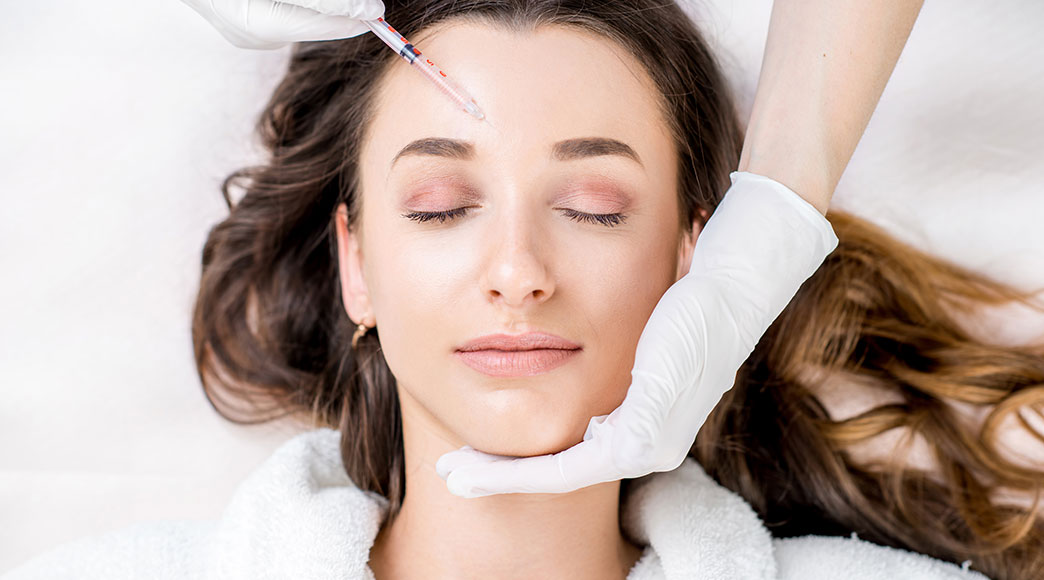
Botox is perhaps the most well-known medical beauty treatment. It is used to reduce the appearance of fine lines and wrinkles by temporarily paralyzing the muscles that cause them. Common treatment areas include the forehead, crow’s feet around the eyes, and frown lines between the eyebrows. Botox can smooth out wrinkles and provide a youthful, refreshed look. Other neurotoxins like Dysport and Xeomin are similar to Botox and are used to achieve the same wrinkle-reducing effects.

2. Dermal Fillers

Dermal fillers are injectable treatments that restore volume to the face, filling in wrinkles, fine lines, and hollowed areas. As we age, our skin loses collagen and fat, leading to sagging and volume loss. Fillers, such as hyaluronic acid-based options (like Juvederm and Restylane), can be used to plump the cheeks, add fullness to the lips, and smooth lines around the mouth and nose. Results from dermal fillers can last anywhere from six months to two years, depending on the type of filler used.

3. Laser Treatments

Lasers have revolutionized medical beauty by providing a wide array of solutions for skin rejuvenation, acne scars, pigmentation issues, and even hair removal. Some common laser treatments include:

  • Fractional Laser Resurfacing: This procedure targets damaged skin layers to promote collagen production and smooth out wrinkles and scars.
  • Laser Hair Removal: This method uses intense light to destroy hair follicles, leading to permanent hair reduction in treated areas.
  • Pigmentation Laser Treatments: Lasers can target hyperpigmentation, sun spots, and age spots, helping individuals achieve a clearer, more even skin tone.

4. Chemical Peels

Chemical peels involve applying a chemical solution to the skin to exfoliate and remove dead skin cells. This promotes the growth of new skin and can improve the appearance of acne scars, hyperpigmentation, and fine lines. Superficial peels have minimal downtime, while deeper peels may require a longer recovery period but can provide more dramatic results.

5. Microneedling

Microneedling is a procedure that uses small needles to create tiny punctures in the skin, stimulating collagen production and encouraging skin regeneration. It is commonly used to treat acne scars, fine lines, and stretch marks. When combined with platelet-rich plasma (PRP) therapy, the results can be even more enhanced, with faster healing and greater skin renewal.

6. Non-Surgical Fat Reduction

Non-invasive body contouring treatments like CoolSculpting and SculpSure target localized fat deposits by freezing or heating fat cells, which are then naturally eliminated by the body. These treatments are ideal for individuals who have stubborn fat areas that are resistant to diet and exercise, such as love handles, belly fat, and double chins.

The Benefits of Medical Beauty

Medical beauty offers several advantages over traditional beauty treatments, which is why it has quickly gained popularity among individuals of all ages. Here are some of the key benefits:

1. Minimal Risk and Side Effects

Since most medical beauty procedures are non-invasive or minimally invasive, the risks of complications are lower than with traditional surgery. With proper consultation and a skilled practitioner, the chances of side effects or complications are minimal.

2. Quick, Convenient Treatments

Many procedures in medical beauty can be performed in less than an hour, making them perfect for people with busy schedules. Additionally, the minimal downtime means clients can immediately return to their daily routines without significant disruption.

3. Natural-Looking Results

Medical beauty treatments are designed to enhance natural beauty, not to drastically alter one’s appearance. For example, dermal fillers restore facial volume and Botox smooths wrinkles without giving an “overdone” or frozen look. The focus is on creating subtle, youthful changes that improve overall appearance.

4. Improved Self-Esteem

A significant benefit of medical beauty is the boost it provides to self-confidence. Whether it’s rejuvenating the skin, sculpting the body, or eliminating stubborn fat, these treatments help individuals feel better about themselves. This emotional benefit is often just as important as the physical transformation.

The Future of Medical Beauty

As technology continues to evolve, so does the field of medical beauty. With the advent of AI-powered skin analysis, more precise treatments, and innovative non-invasive devices, the possibilities for enhancing beauty will continue to expand. Future treatments may focus even more on personalized care, with technologies like 3D imaging and genetic testing allowing for treatments that are completely tailored to an individual’s specific skin and health needs.

Conclusion

Medical beauty has come a long way in transforming the world of aesthetic treatments. By blending the latest advancements in medical technology with beauty practices, it has opened up a world of possibilities for those looking to enhance their natural appearance without undergoing major surgery. Whether you’re seeking a youthful glow, smoother skin, or a more sculpted body, medical beauty offers a diverse range of options that are safe, effective, and long-lasting. With its growing popularity, medical beauty is undoubtedly here to stay, shaping the future of self-care and aesthetics for years to come.

The Secret Behind Award Winning Skincare Treatments at Skin Revival SpecialistThe Secret Behind Award Winning Skincare Treatments at Skin Revival Specialist

At Skin Revival Specialist, we pride ourselves on delivering award winning skincare services designed to transform and rejuvenate your complexion. Our success isn’t just luck—it’s the result of consistent dedication to quality, client care, and cutting-edge technology. But what exactly makes a treatment worthy of recognition, and why do our clients keep coming back?

The Foundation: Expertise and Experience

Awards don’t happen overnight. Behind every award winning treatment is a team of passionate professionals committed to learning and growing. Our practitioners undergo continuous training and certifications to stay ahead of the curve in skincare science. This ensures every treatment we provide is both safe and highly effective.

State-of-the-Art Technology

From Dermalux LED light therapy to non-invasive collagen-boosting facials, we use only the most advanced technologies on the market. We test every system extensively and use protocols backed by clinical studies, giving you results you can trust.

Bespoke Client Care

Customisation is key. No two skins are the same, and our therapists tailor each treatment plan according to your individual concerns—be it ageing, pigmentation, acne, or dehydration. Our award winning approach to bespoke facials is one of the reasons our clients rave about their results.

Why Awards Matter to You

When you choose an award winning clinic, you’re opting for a team that’s not only passionate but also recognised by industry experts. It’s a seal of trust and proof of consistent quality care.

How to Discuss Genetic Testing with a Skeptical DoctorHow to Discuss Genetic Testing with a Skeptical Doctor

For many individuals struggling with mental health conditions, the path to effective treatment can feel like a relentless trial-and-error journey. Medication after medication, each with its own side effects, can leave patients feeling frustrated, hopeless, and understandably wary. Yet, advancements in medicine offer new avenues for personalized care, including genetic testing designed to inform psychiatric medication selection. When a patient, fueled by a desire for a more targeted approach, raises this possibility with their doctor, they might sometimes encounter resistance or skepticism. Understanding how to bridge this gap, engage in productive dialogue, and confidently advocate for your health is paramount.

The concept of pharmacogenomics—studying how an individual’s genes affect their response to drugs—is not new in medicine. Oncology, cardiology, and pain management have long integrated genetic insights to tailor treatments. In mental health, this involves analyzing specific gene variations that influence how the body processes and responds to psychiatric medications. This personalized approach holds the potential to reduce adverse side effects and improve treatment efficacy, moving away from a one-size-fits-all model.

Understanding Your Doctor’s Perspective on Pharmacogenomic Testing

Before initiating a conversation about genetic testing, it helps to consider the professional landscape your doctor navigates. Healthcare providers, particularly those who have been practicing for many years, are trained in evidence-based medicine. This means they rely heavily on established clinical guidelines, large-scale studies, and treatments with proven efficacy. While pharmacogenomic testing represents a promising frontier, its widespread integration into routine psychiatric practice is still evolving, and some clinicians may approach it with caution for several legitimate reasons.

The Nuances of Clinical Evidence

Medical literature supporting the utility of genetic testing in psychiatry continues to grow, yet some studies present conflicting data or highlight limitations. Doctors may be concerned about the strength of evidence for specific genes or drug-gene interactions, or how well these tests perform across diverse patient populations. They might also worry about the potential for over-reliance on genetic data, overlooking the complex interplay of environmental, psychological, and social factors in mental health.

Concerns About Cost and Insurance Coverage

For many patients, the cost of advanced diagnostic tests is a significant barrier. Insurance coverage for pharmacogenomic testing can vary widely, and doctors often grapple with the administrative burden of pre-authorizations or appeals. They may be hesitant to recommend a test that could place a substantial financial strain on a patient without a clear, universally accepted clinical imperative.

Perceived Utility and Interpretation Challenges

The results of a genetic testing report can be complex, often providing insights into how a patient metabolizes certain medications rather than a definitive “this drug will work” or “this drug won’t work” answer. Interpreting these results requires specialized knowledge. Some doctors may feel they lack the comprehensive training or time to adequately integrate these reports into treatment plans, preferring to stick with established prescribing patterns they understand thoroughly.

Ethical Considerations and Patient Expectations

Doctors are also mindful of ethical implications, such as ensuring patient privacy regarding genetic information and managing expectations. A patient might view genetic testing as a “magic bullet,” expecting immediate and complete relief, which is often not the case. Managing these expectations responsibly is part of a physician’s duty.

Preparing for a Productive Conversation: Advocating for Your Health

Approaching your doctor with a clear, informed, and collaborative mindset can significantly increase the chances of a positive discussion. Patient empowerment begins with preparation.

Educate Yourself Thoroughly

Before your appointment, take the time to research. Understand what pharmacogenomic testing entails, what it can and cannot tell you, and what specific types of tests, like GeneSight, are available. Look for information from reputable sources such as academic medical centers, professional psychiatric associations, and well-regarded health organizations. Familiarize yourself with common arguments for and against its use.

  • Understand the basics: What genes are typically analyzed? How do they influence medication metabolism?
  • Identify specific tests: Research companies that offer psychiatric pharmacogenomic testing, such as GeneSight, and understand their methodology and reported accuracy.
  • Note the limitations: Recognize that genetic testing is a tool to *inform* treatment, not dictate it entirely. It’s one piece of a larger clinical puzzle.

Document Your Treatment History

One of the most compelling arguments for considering genetic testing is a history of ineffective or poorly tolerated treatments. Create a comprehensive list of all psychiatric medications you have tried, including:

  • The name of the medication and dosage.
  • The duration you took it.
  • The specific symptoms it was intended to address.
  • The effects you experienced (both positive and negative).
  • Why you stopped taking it.

This detailed history illustrates a clear pattern of difficulty and provides concrete evidence that a trial-and-error approach has not yielded satisfactory results. It shows your doctor that you have already exhausted many conventional options.

Formulate Your Reasons and Questions

Clearly articulate why you believe pharmacogenomic (PGx) testing could be beneficial for you. Perhaps you are experiencing debilitating side effects, or you’ve tried multiple medications without achieving remission. Prepare specific questions to address your doctor’s potential concerns.

  • “Given my history of trying X, Y, and Z medications with limited success/significant side effects, I’m interested in exploring options that might offer a more personalized approach. What are your thoughts on pharmacogenomic testing in my case?”
  • “I’ve read that genetic testing can help predict how I might metabolize certain drugs. Could this explain why some medications haven’t worked well for me?”
  • “What are your primary concerns about genetic testing, and what evidence would you need to feel more comfortable recommending it?”
  • “If we were to proceed, what would be the next steps for interpreting the results and integrating them into my treatment plan?”

Talking to Your Doctor About GeneSight (and other PGx tests): Strategies for Effective Dialogue

The way you initiate and sustain the conversation can make a significant difference. Your goal is to foster a collaborative environment where your doctor feels heard, and you feel empowered.

Choose the Right Moment and Set the Stage

Consider scheduling a dedicated appointment specifically to discuss this topic, rather than trying to squeeze it into a routine follow-up. This signals that you view this as a serious discussion requiring adequate time and attention. Start by acknowledging their expertise and your shared goal.

“Doctor, I appreciate your efforts in managing my mental health. We’ve both been trying to find the right medication, and I’m still struggling. I’ve been doing some research on genetic testing, specifically how it relates to medication response, and I’d like to discuss if it could be a useful tool for my treatment moving forward.”

Present Information Respectfully and Collaboratively

Share the information you’ve gathered, but avoid presenting it as if you are lecturing your doctor. Instead, frame it as information you’ve found and would like their professional opinion on. Highlight the aspects that resonate with your personal experience.

  • Focus on your experience: “My repeated experiences with adverse effects make me wonder if there’s an underlying genetic reason for how I process medications.”
  • Ask for their insights: “I understand that the clinical utility of these tests is still being researched. From your perspective, what are the most significant benefits or drawbacks you see for a patient like me?”
  • Suggest a review of research: “I found a few studies that discuss the benefits of genetic testing for individuals with treatment-resistant depression. Would you be open to reviewing them together?”

Address Their Concerns Proactively

If you anticipate specific objections, be prepared to address them. For instance, if cost is a concern, inquire about insurance coverage or payment plans offered by testing companies. If they mention a lack of definitive evidence, you might ask about pilot programs or recent research they might not be aware of.

“I understand cost can be a factor. I’ve looked into GeneSight, and they seem to have programs to help with affordability. Have you had patients use these options before?”

Highlight the Potential Benefits to Them

Frame genetic testing not just as a benefit to you, but as a potential aid to their practice. It could reduce the time spent on trial-and-error prescribing, potentially improving patient outcomes and satisfaction, which ultimately benefits their clinic.

“I’m hoping that by understanding my genetic profile, we could find a more direct path to effective treatment, potentially saving us both time and reducing my distress from ineffective medications.”

What to Do if Your Doctor Remains Skeptical

Even with a well-prepared and respectful approach, your doctor might still express reservations. This doesn’t mean the conversation is over, but it might require additional steps or a different perspective.

Ask for a Specific Rationale

If your doctor dismisses the idea, respectfully ask for a detailed explanation of their reasoning. Understanding their specific concerns can help you address them, seek additional information, or decide on your next course of action.

“I appreciate your honesty. Could you elaborate on why you feel genetic testing wouldn’t be appropriate in my specific case? Is it a concern about the science, the cost, or something else?”

Suggest a Consult or Second Opinion

If your doctor remains unconvinced, you might suggest a referral to a specialist who has more experience with pharmacogenomic testing or a psychiatrist who routinely incorporates these insights into their practice. Many mental health clinics now offer specialized services in this area.

“I understand your hesitation. Would you be open to referring me to a psychiatrist who specializes in pharmacogenomics, perhaps for a one-time consultation, to explore this further?”

Consider Seeking a New Provider

Ultimately, patient empowerment means finding a healthcare provider whose approach aligns with your needs and values. If your current doctor is unwilling to consider tools that you believe could significantly improve your mental health, and you’ve exhausted all avenues of discussion, it might be time to seek a second opinion or explore other providers who are more open to advanced diagnostic tools. A doctor-patient relationship built on mutual respect and shared decision-making is fundamental to effective care.

Navigating Life After Genetic Testing: Integration and Ongoing Care

If your doctor agrees to proceed with genetic testing, the journey doesn’t end with the test results. The insights gained are meant to be integrated into a comprehensive treatment plan, not replace clinical judgment.

Interpreting the Results Together

Schedule a follow-up appointment to discuss the results in detail. Your doctor should explain what the findings mean for you, highlighting any gene-drug interactions that are particularly relevant. It is important to remember that these results offer guidance, not definitive prescriptions. They provide probabilities and insights into how your body processes medication, not guarantees of success or failure.

Adjusting Treatment Plans Responsibly

Based on the genetic insights and your ongoing clinical presentation, your doctor might suggest adjustments to your current medication regimen or guide choices for future prescriptions. This could involve trying a medication that is predicted to be more effective or better tolerated, or avoiding one that is likely to cause side effects. Any changes should be made gradually and with careful monitoring.

Maintaining Open Communication

Regardless of whether you proceed with genetic testing, maintaining open and honest communication with your healthcare provider is essential. Continue to report how you are feeling, any side effects you experience, and any concerns you have. Your active participation in your care journey is invaluable.

Conclusion

The landscape of mental health treatment is continuously evolving, with genetic testing emerging as a powerful tool for personalizing care. While the idea of talking to your doctor about GeneSight or other similar tests might seem daunting, especially if you anticipate skepticism, remember that you are your own best advocate. By educating yourself, meticulously documenting your journey, and engaging in respectful, informed dialogue, you can actively shape your mental health trajectory. Seeking a more precise, personalized approach to mental health care is a reasonable and proactive step, allowing individuals to move closer to finding the right treatment more efficiently. This journey underscores the vital role of patient empowerment in navigating the complexities of modern medicine and securing the best possible outcomes for your well-being.

Alveolar Consonant Care The Importance Of Maintaining Good Oral HygienicsAlveolar Consonant Care The Importance Of Maintaining Good Oral Hygienics

屯門牙醫 is an requirement scene of overall wellness and well-being. It involves taking care of your teeth, gums, and verbalize to prevent alveolar problems such as cavities, gum disease, and bad hint. Good dental consonant hygienics not only keeps your dentition and gums sound, but it also has a prescribed bear upon on your overall health. In this clause, we will discuss the importance of maintaining good oral hygiene and some simple tips for effective dental consonant care.

Regular dental consonant check-ups and cleanings are material for maintaining good oral health. A dentist can identify early signs of dental problems and take necessary steps to prevent them from getting worse. They also perform professional dentition cleanings to remove plaque and Mongol Tatar buildup, which are major contributors to gum disease and tooth decay. It is recommended to visit a dentist at least every six months for subprogram check-ups and cleanings.

Brushing your teeth twice a day is the most staple and requisite step in alveolar care. It helps remove food particles and bacteria from your teeth, preventing the shaping of memorial tablet. When you brush, make sure to use a fluoride toothpaste as it strengthens your dentition and protects against cavities. It is also of import to replace your toothbrush every three months or Sooner if the bristles become frayed.

Flossing is another essential view of alveolar care that is often unnoticed. It helps remove food debris and brass from hard-to-reach areas between your teeth and along the gum line. Flossing also stimulates the gums, reduction the risk of gum disease. It is suggested to dental floss at least once a day, preferably before bedtime.

In addition to brush and flossing, using a gargle can also profit your oral wellness. Mouthwash helps fight against bacteria, freshens breath, and can aid in preventing gum . Look for a gargle with the ADA(American Dental Association) seal of toleration for added assurance of its effectiveness.

Avoiding honied and acid foods and drinks can significantly profit your oral health. Foods high in saccharify can lead to tooth decay, while acidic foods can erode tooth , qualification them more susceptible to cavities. If you do waste sweet or acid-forming foods or drinks, it is requisite to wash your utter with irrigate later and wait at least 30 minutes before brushing to prevent further damage.

Another monumental aspect of dental consonant care is quitting smoking or any other form of tobacco plant use. Tobacco products not only tarnish your dentition, but they also step-up your risk of gum disease, tooth loss, and oral malignant neoplastic disease. If you are troubled to quit, talk to your tooth doctor or health care supplier for resources and subscribe.

In summation to these habits, there are also preventive measures you can take to ameliorate your oral health. These let in options such as dental consonant sealants, fluoride treatments, and mouthguards for sports or dark teeth grinding. Your dental practitioner can recommend the best prophylactic measures based on your particular needs.

Lastly, it is material to pay aid to any changes in your oral wellness and to seek cue care if needful. Signs of potency alveolar consonant problems let in tooth sensitiveness, relentless bad intimation, bleeding gums, and tooth pain. Do not disregard these symptoms and make an appointment with a tooth doctor as soon as possible to keep the cut from deterioration.

In termination, alveolar consonant care plays a material role in maintaining good oral health and overall well-being. By following specific oral hygienics habits, visiting a dentist regularly, and gainful tending to any changes in your oral wellness, you can see a healthy and felicitous smile. Remember, bar is always better than cure, so take care of your dentition and gums to reap the benefits in the long run.

The Best Gelatin Trick for Smooth ResultsThe Best Gelatin Trick for Smooth Results

If you want to achieve smooth results in your dishes, mastering Gelatin weight loss is essential. It’s not just about tossing it in; the technique matters. By understanding how to bloom and incorporate gelatin properly, you can elevate your culinary creations. But there’s more to it than meets the eye. Let’s explore the nuances that can make a significant difference in your final product.

Understanding Gelatin: Types and Uses

Gelatin, a versatile ingredient derived from collagen, plays a crucial role in various culinary applications. You’ll find it in desserts, jellies, and even savory dishes.

There are mainly two types of gelatin: sheet and powdered. Sheet gelatin is easy to use and dissolves quickly when soaked in cold water before adding to your recipe. Powdered gelatin, on the other hand, needs to be bloomed in cold water, then heated to dissolve.

Both types serve the same purpose but can yield different textures and clarity in your final dish. It’s essential to choose the right type based on your recipe requirements. Understanding these differences will help you achieve the smooth, professional results you’re aiming for in your culinary creations.

The Perfect Bloom: How to Prepare Gelatin

To achieve the best results when using gelatin, it’s crucial that you prepare it properly. Start by measuring the desired amount of gelatin, usually about one tablespoon for every two cups of liquid.

Next, sprinkle the gelatin evenly over the surface of cold water or another liquid, allowing it to hydrate for about 5 to 10 minutes. This process, known as blooming, helps the gelatin absorb moisture and become fully activated.

Once bloomed, gently heat the mixture over low heat, stirring until completely dissolved—avoid boiling, as high temperatures can affect its gelling ability.

Now you’re ready to use your prepared gelatin in your recipes, ensuring a smooth and perfect texture in your final dish.

Incorporating Gelatin for Smooth Consistency

Once you’ve prepared your gelatin through the blooming process, incorporating it into your recipes is the next step for achieving that smooth consistency you desire.

Gently warm your bloomed gelatin until it’s fully dissolved. This ensures it blends seamlessly into your mixture. When you add the gelatin, do it gradually; pour it slowly into your warm liquid while stirring continuously. This prevents clumps and encourages even distribution.

If you’re working with thicker mixtures, consider warming them slightly to help the gelatin integrate better. Always remember to avoid boiling the gelatin, as high temperatures can compromise its setting properties.

Once mixed thoroughly, let your creation cool, and you’ll be rewarded with a silky texture that enhances your dish beautifully.

Conclusion

By mastering the techniques of blooming and incorporating gelatin, you’ll achieve silky, smooth results in your dishes. Remember to sprinkle the gelatin over cold water and let it bloom before gently heating it to dissolve. As you add the warm mixture to your recipe, stir continuously to avoid clumps. With these simple steps, you’ll elevate your culinary creations and impress everyone with your perfectly textured desserts. Enjoy your newfound gelatin skills and the fantastic results they bring!