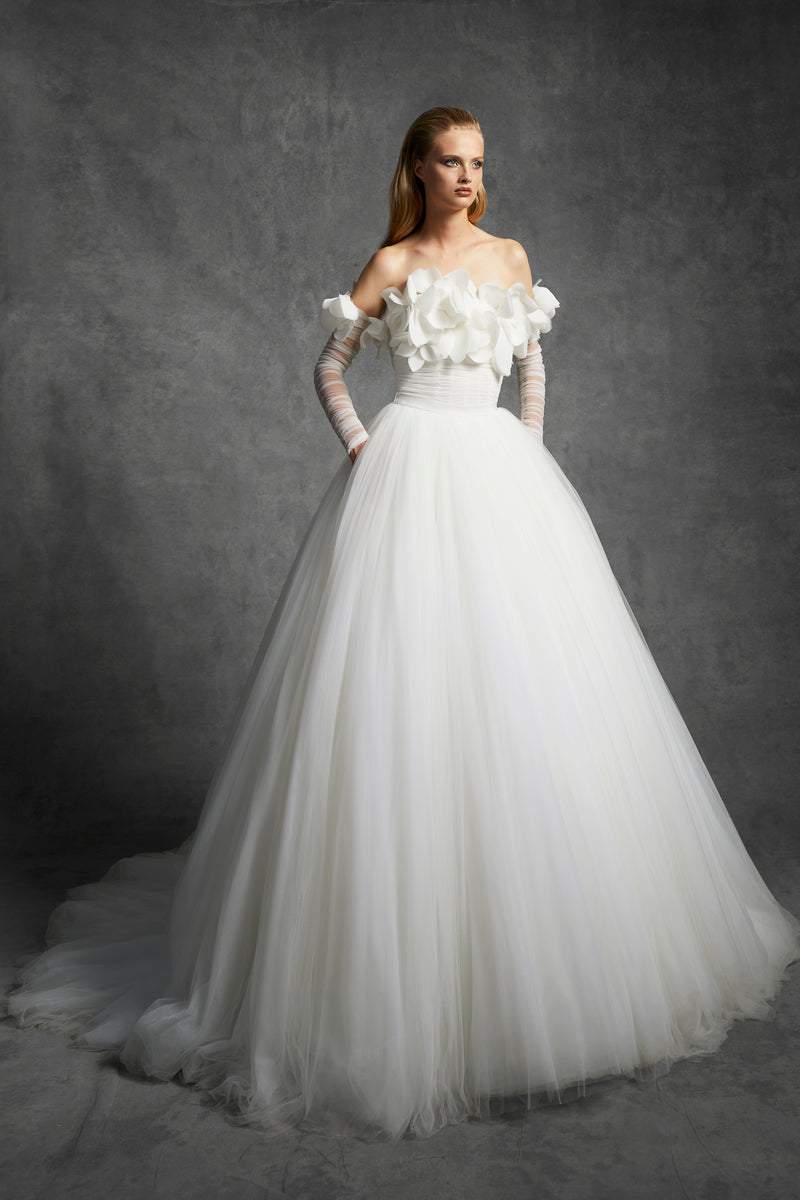

The clutch bag, once a staple fibre of evening clothes and dinner gown occasions, has changed over the decades into one of fashion's most loved one and varied accessories. With its minimalist silhouette and power to elevate any outfit, the clutch’s phylogenesis mirrors ever-changing attitudes toward luxuriousness, practicality, and subjective title. This article traces the story of the clutch bag, from its origins as a symbolization of femininity to its stream place in the world fashion zeitgeist.
The Origins of the Clutch Bag
The seize bag as we know it today has roots that extend back to the 16th century, although its form was much more basic than the graceful pieces we look up to now. Women in the Renaissance often carried modest, flat bags—known as "reticules" or "pockets"—which were used to hold moderate essentials like coins, handkerchiefs, and powderize. These bags were often secured with drawstrings or simpleton clasps and hung from a ribbon or belt.
During the Victorian era, pockets were sewn into dresses and coats, reducing the need for bags. However, by the late 1800s, the graticule began to resurface, now as a more structured, decorative appurtenance. Often used in eveningwear, the Victorian clutch was a modest, cylindrical bag, ofttimes made of silk or velvety and sequined with string of beads or fancywork.
The 1920s: A Golden Age of Glamour
The 1920s brought a new wave of jin and mundaneness to fashion, and the get hold of bag was at the cutting edge of this revolution. The roaring twenties were synonymous with the rise of the flapper, an icon of freedom and contemporaneousnes. Flapper dresses, with their dropped waistlines and short hemlines, were the hone conjugation for small, decorated clutches.
Designed to the slick, straight silhouette of the era's fashion, clutch bags during the 1920s were often made from epicurean materials like satin, rhinestones, and gold mesh. These bags were often premeditated to be held in the hand, hence the term "clutch." The get hold of became a command piece in its own right—something to match the sumptuousness of the era, carrying not just virtual essentials but also a touch down of allure.
Mid-Century: The Clutch Becomes a Luxury Item
The mid-20th saw a further purification of the clutch, particularly in the post-World War II era. As beau monde embraced a more structured, svelte aesthetic, clutch bags became a symbolic representation of sophistication and high beau monde. Designers like Coco Chanel and Christian Dior introduced new shapes and styles, cementing the clutch’s status as a sumptuousness item.
Chanel’s far-famed thick plan, with its gold straps, shifted the clutch’s role, qualification it not just a handheld item, but an necessary part of the chic, graceful look. These Clutches s became a representation of luxury, crafted from high-end materials like leather, velvet, and even skin. During this time period, the seize was no thirster just reticent for eveningwear—it was being worn with day trick up as well, transforming from an occasional add-on to a more versatile piece.
The 1980s and 1990s: From Eveningwear to Everyday Wear
By the 1980s, the seize had begun to step outside the worldly concern of evening dress and formal occasions. As forge trends became increasingly eclecticist, the clutch was reimagined in various sizes, shapes, and materials. Designers like Judith Leiber and other high-end fashion houses pushed the boundaries of creativeness, making the clutch a command piece with irregular designs, including ones in the shape of animals, objects, and even food.
The 1990s further evolved the role of the get hold of, as minimalist aesthetics rose in popularity. Clutches became slick and simple, with many forge houses centerin on strip lines, neutral tones, and innovational textures. Designers such as Prada and Miuccia Prada embraced the understated nature of the clutch, and the bag's practicality grew. Often small than handbags, these hold were still vauntingly enough to carry essentials, but they were streamlined for the modern womanhood on the go.
The 2000s to Present: The Resurgence and Versatility of the Clutch
In the 21st century, the clutch has undergone a renaissance, its role as both a opulence accessory and an everyday staple fibre to the full complete. The fashion industry has embraced its power to combine title and practicality, and clutches are now studied for a wide range of occasions—be it a wedding, a cocktail political party, or a unplanned day out. Designers like Bottega Veneta, Loewe, and Jacquemus have embraced the art of the mini-bag, and clasp have become both utility and fashion-forward.
The rise of sociable media and influencer has helped fuel the clutch’s on-going popularity. Celebrities and influencers are frequently seen diversion these bags on red carpets, at parties, or in ordinary street title, qualification them a must-have appurtenance for forge-conscious individuals. The moderate size of modern hold aligns with the moderate, on-the-go go about of coeval lifestyles, qualification them nonesuch for carrying only the most requisite items—such as a call up, lip rouge, and cards.
Moreover, the seize has evolved beyond its orthodox leather or satin constructions, embracing new materials and textures. Clutches are now seen in materials like obvious acrylic resin, raffia, and even eco-friendly, property fabrics, allowing for both innovation and situation .
The Future of the Clutch: Personalization and Innovation
As forge continues to evolve, the hereafter of the seize seems brilliantly, with designers push boundaries and reinventing what the seize can be. Personalized clutches, designed to suit mortal tastes and preferences, are becoming progressively pop, allowing wearers to verbalize their personal identity. Furthermore, new technologies—such as the integrating of hurt features or even USB charging ports—could redefine the get hold of for the Bodoni font womanhood.
The mini-bag swerve, which includes the clutch in its repertoire, shows no sign of retardation down, and as sustainability becomes more significant, there’s a development matter to in right and environmentally intended seize designs. Expect to see more brands innovating with materials that ordinate with the values of the modern consumer.
Conclusion
From its humiliate beginnings as a simple reticule to its status as a must-have supplement in every fashionista's closet, the clutch bag has undergone a singular evolution. Once a practical necessary, it has become a symbolic representation of , creative thinking, and individuality. Whether it's a unaltered leather patch or a far-out plan that reflects personal title, the seize continues to be a favourite mini bag in the worldly concern of fashion, and its transmutation is a testament to the ever-changing nature of title.